


En el Naval Energy Summit, la Armada de Chile y HIF Global presentan inédita carga de e-Combustibles para la descarbonización marítima
En el Naval Energy Summit, la Armada de Chile y HIF Global presentan inédita carga de e-Combustibles para la descarbonización marítima
Fecha publicada: 29 Agosto, 2025
La transición energética en el sector marítimo dio un paso crucial en la Naval Energy Summit, que se desarrolló este 27 y 28 de agosto en el Club Naval de Valparaíso y que abordó la transición energética marítima con expertos internacionales.
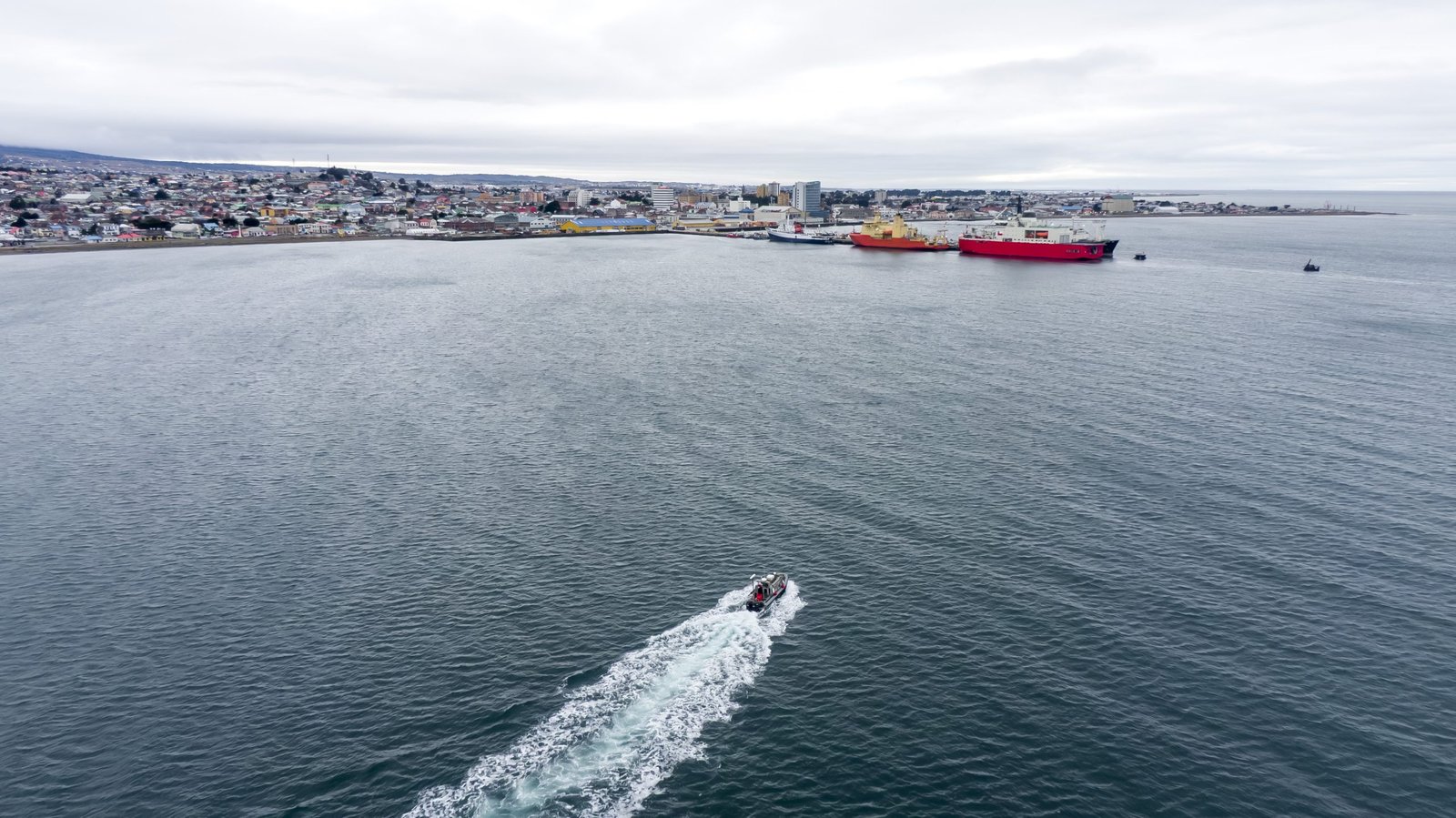
En la feria, la Armada de Chile y HIF Global reveló los resultados de una prueba inédita: por primera vez en la historia, una embarcación de la Armada, una lancha a motor del Servicio Hidrográfico y Oceanográfico (SHOA), fue cargada con e-Combustibles, una gasolina sintética y neutra en carbono producida en la planta Haru Oni en Punta Arenas.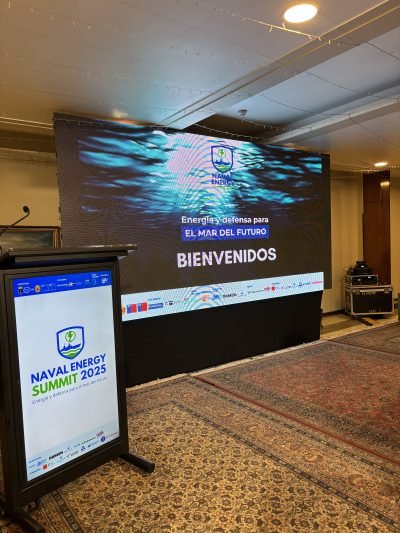
Cerca de 100 litros del e-Combustible desarrollado por HIF fueron mezclado en el mismo estanque con gasolina convencional de 93 octanos. La prueba, que se realizó en el Estrecho de Magallanes, no solo comprobó la compatibilidad de ambos combustibles, sino que también confirmó que ofrecen el mismo rendimiento que la gasolina tradicional, sin necesidad de modificar el motor de la nave.
“Esta carga es especialmente simbólica, porque la industria marítima es un sector difícil de descarbonizar y aquí estamos demostrando que es posible avanzar”, señaló Juan Eduardo Gallardo, gerente de HIF Magallanes. “Es un reflejo del trabajo y compromiso de los magallánicos, que hoy aportan con su experiencia desde el extremo sur del mundo a una navegación más limpia y sostenible en el futuro”, agregó.
Por su parte, el director del SHOA, Carlos Zúñiga, destacó que esta prueba “representa un hito muy importante, porque nuestra tarea principal es hacer cartas de navegación y tenemos para eso diferentes tipos de buques y embarcaciones. El hecho de tener combustibles carbono neutral y que sean producidos en el país nos llena de orgullo, porque sabemos que tendremos los implementos necesarios para poder continuar con nuestro trabajo”.
La Armada de Chile y HIF Global dieron así el primer paso en la exploración de una alianza de trabajo conjunto, para avanzar en el uso de e-Combustibles en la industria naval.
En esta línea, el teniente primero del SHOA e ingeniero naval en Hidrografía y Oceanografía, Harald Urbina, afirmó que esta operación “se enmarca bajo un programa de investigación y de conocimiento que tenemos a nivel institucional. Queremos aprender y conocer un poco más sobre qué es la gasolina sintética y cuáles son los beneficios que nos pueden entregar a nivel medioambiental, como también a nivel institucional”.
Los e-Combustibles se producen con energía renovable y dióxido de carbono reciclado, lo que los convierte en una alternativa neutra en carbono, lista para ser usada en la infraestructura y motores existentes. Esta tecnología abre un camino prometedor para la descarbonización de uno de los sectores más desafiantes del transporte global.
English Version
The maritime sector’s energy transition is taking a crucial step forward at the Naval Energy Summit, held in August 27-28 at the Naval Club in Valparaíso and gathering international experts on maritime energy transition.
During the summit’s exhibition, the Chilean Navy and HIF Global revealed the results of a groundbreaking demonstration: for the first time in history, a naval vessel—a motorboat from the Hydrographic and Oceanographic Service (SHOA)—was fueled with e-Fuels, a synthetic gasoline produced at the HIF Haru Oni facility in Punta Arenas.
Around 100 liters of e-Fuel produced by HIF were blended in the same tank with conventional 93-octane gasoline. The fueling event, held in the Strait of Magellan, not only demonstrated the compatibility of both fuels but also confirmed that they deliver the same performance as traditional gasoline—without requiring any engine modifications.
“This fueling is very symbolic because the maritime industry is a hard-to-abate sector, and here we are demonstrating that progress is possible,” said Juan Eduardo Gallardo, HIF Magallanes Manager. “It reflects the work and commitment of the people of Magallanes, who are now contributing their expertise from the far south of the world to a cleaner and more sustainable future for navigation.”
Carlos Zúñiga, Director of SHOA, emphasized that the event “represents a very important milestone, because our main task is to create navigation charts, and for that, we rely on different types of ships and vessels. The fact that we now have carbon-neutral fuels produced in Chile fills us with pride, as we know we’ll have the necessary tools to continue our work.”
With this initiative, the Chilean Navy and HIF Global have taken the first step toward exploring a collaborative partnership to advance the use of e-Fuels in the naval industry.
SHOA First Lieutenant and Hydrographic and Oceanographic Naval Engineer, Harald Urbina, said, “the operation is part of an institutional research and knowledge program. We want to learn and understand more about synthetic gasoline and the environmental and institutional benefits it can offer.”
e-Fuels are produced using renewable energy and recycled carbon dioxide, making them a carbon-neutral alternative ready to be used in existing infrastructure and engines. This technology opens a promising path for decarbonizing one of the most challenging sectors of global transport.

